
|
Player may take time to load
Getting your Trinity Audio player ready...
|
The holiday season in Melbourne, Florida, is a time for bright displays, big family dinners, and a lot of extra "juice" running through your home’s veins. But now that the decorations are coming down and the New Year is in full swing, many homeowners are noticing things they didn’t see before.
Did your lights flicker when the oven was on? Did you find yourself running to the garage to reset a breaker more than once?
At Cornelius Electrical Contractors, we’ve seen it all. The extra demand of the holidays often acts as a "stress test" for your home’s electrical system. If your home didn't pass with flying colors, it might be trying to tell you something important.
The Mystery of the Flickering Lights: A Home Electric Service Issue
It starts small—a quick dim when the AC kicks on or a slight pulse in the kitchen lights while you’re using the microwave. While it might seem like a minor annoyance, flickering lights often indicate:
- Overloaded Circuits: Your home is struggling to distribute power to too many appliances or multiple appliances at once, which can exceed your home's power needs and overload the electrical systems.
- Loose Wiring: Florida’s humidity can lead to minor corrosion or loose connections that cause intermittent power flow.
- Voltage Fluctuations: Fluctuations in electrical current can actually damage your sensitive appliances and devices over time.
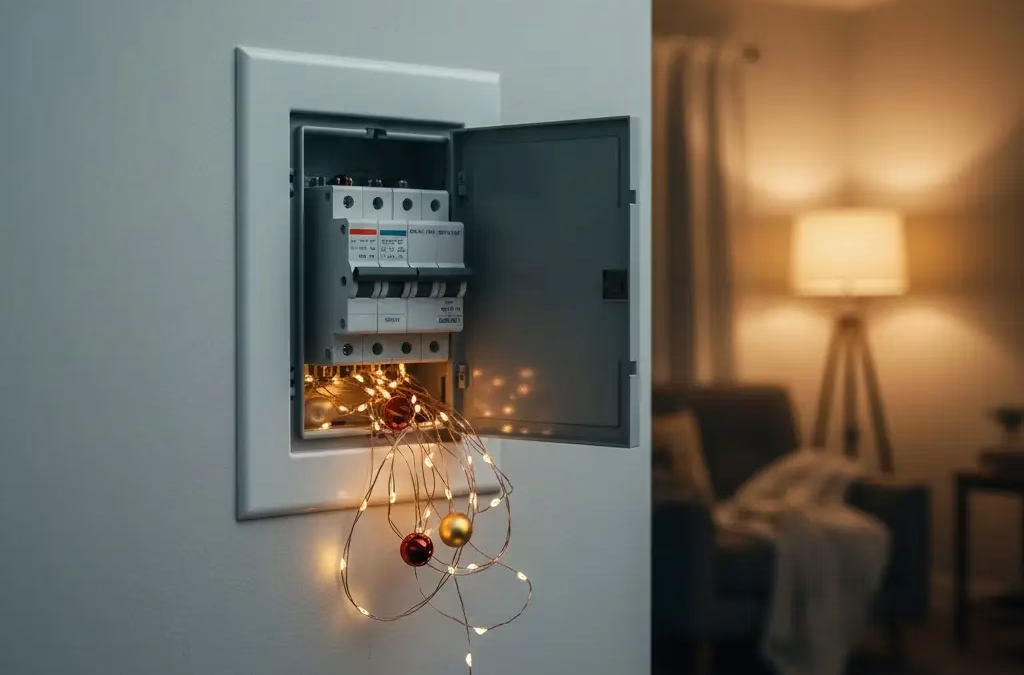
The main service panel (also known as the service panel or electric service panel) is where circuit breakers monitor and control the flow of electrical current throughout the home's electrical system.
2. Frequent Circuit Breaker Trips
Your circuit breaker is a safety device designed to shut off power when the system is overloaded to prevent a fire. If your breaker tripped while you had the holiday lights and the space heater running, it did its job. Running larger appliances without dedicated circuits can lead to frequent electrical problems and circuit breaker trips, as these appliances require their own power supply to prevent overloads and ensure safety.
However, if it’s still tripping now that the decorations are gone, you likely have a deeper issue, such as a faulty breaker or a “short circuit”—often caused by faulty wiring or outdated electrical panels, which may require upgrading electrical panels or electrical repairs by a professional electrician.
Attempting DIY fixes can result in code violations and may not comply with current electrical codes, increasing the risk of electrical issues.
3. Warm Outlets or "That Smell"
Did you unplug your tree and notice the outlet felt warm to the touch? Or perhaps you caught a faint whiff of “burning plastic” near the entertainment center?
Warning: Never ignore a warm outlet or burning smells. These are immediate red flags for electrical arcing or melting wires, which are a serious fire hazard and can lead to electrical fires. Burning smells often indicate potential hazards such as faulty wiring or overheated components that require immediate professional attention to prevent serious hazards and electrical emergencies.
Frequent inspections or more frequent inspections are recommended to identify potential hazards early and help prevent serious hazards or electrical emergencies in your home.
4. Non-Functional or Loose Outlets Caused by Faulty Wiring
After weeks of plugging and unplugging heavy-duty extension cords, outlets, specialized outlets, and other electrical devices can also become loose or stop working entirely. A loose outlet isn’t just a nuisance; the movement can cause wires to rub together and fray, creating a major safety hazard behind your walls. Attempting electrical work on outlets or devices without proper knowledge can lead to serious safety risks and code violations. Routine maintenance is recommended to ensure that all outlets and electrical devices remain safe and functional.
5. Outdoor Ground Fault Circuit Interrupter (GFCI) Issues
Melbourne’s winter rain and humidity can wreak havoc on outdoor outlets. Outdoor electrical inspections should include checking smoke detectors, light fixtures, and appliances for safety. If your outdoor GFCI (Ground Fault Circuit Interrupter) outlets won’t reset after you’ve taken the lights down, moisture may have caused internal damage or corrosion.
Home electrical and home electric systems may require electrical upgrades or specialized electrical service for devices like water heaters, solar panels, EV chargers, and whole home generators. Regular electrical inspections are essential to meet your home's electrical needs and ensure all light bulbs and fixtures are functioning safely.
Why Choose a Professional Inspection?
A "wait and see" approach with electricity is never a good idea. A professional inspection from a licensed electrician ensures:
- Safety: We find the hidden hazards you can’t see.
- Code Compliance: We ensure your home meets the latest Florida building codes.
- Efficiency: Modernizing your panel or outlets can actually lower your monthly energy bills.
The Cornelius Difference
With over 530 5-star Google reviews, Cornelius Electrical Contractors is the most trusted name in Melbourne and Palm Bay. We pride ourselves on punctuality, expert diagnosis, and leaving your home cleaner than we found it.
Don't Ignore the Warning Signs!
Upgrading electrical panels, service panels, and other electrical panels is a cost effective way to ensure all the electricity in your living space is distributed safely and efficiently. After significant renovations or changes to your living space, your electric meter and electric service may need to be evaluated to maintain safety and compliance. The benefits and savings from electrical upgrades may vary depending on your home's needs, and professional service can help prevent power outages.
If your home’s electrical system is acting up after the holidays, give it the attention it deserves. Protect your family and your property by calling the experts at Cornelius Electrical Contractors.
Call us today at 321-674-9667 to schedule your safety inspection or repair.