
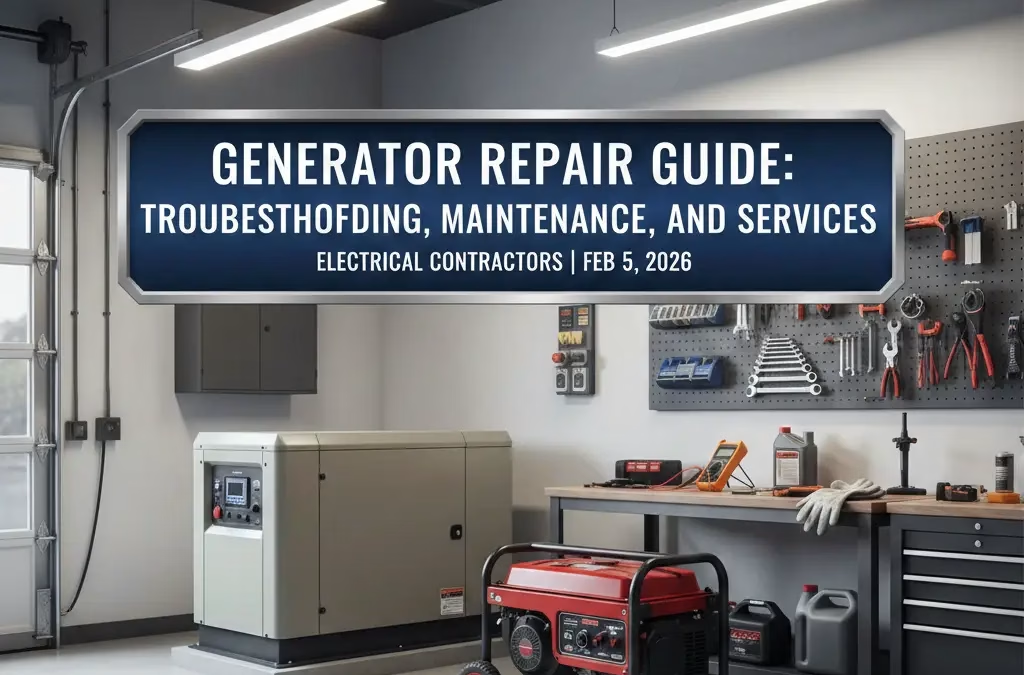
This page is a comprehensive guide to generator repair, covering troubleshooting, maintenance, and when to call professionals. Whether you’re a homeowner, business owner, or DIY enthusiast, you’ll find actionable advice on keeping your generator running reliably. Generator repair is essential for ensuring uninterrupted power during outages, protecting your property, and maintaining safety. In this guide, we’ll walk you through common generator problems, step-by-step troubleshooting, routine maintenance, and how to know when it’s time to call in the experts.
Introduction to Generator Repair
The purpose of this article is to provide a thorough resource for anyone seeking guidance on generator repair, troubleshooting, and maintenance. Our target audience includes homeowners who want to protect their families, individuals seeking reliable backup power solutions, business owners who need to keep operations running, and businesses with critical power needs, as well as DIYers interested in hands-on generator care. Generator repair is crucial because a malfunctioning generator can leave you without power during critical moments, potentially causing safety hazards and costly downtime.
Proper generator maintenance not only extends the life of your equipment but also ensures it operates safely and efficiently. By understanding the relationship between maintenance, troubleshooting, and professional repair, you can address minor issues before they become major problems and know when to seek expert help.
Safety and Liability Disclaimer:Always follow manufacturer instructions and safety guidelines when working on generators. If you are unsure or uncomfortable with any repair or maintenance procedure, contact a licensed professional. Working with electrical equipment can be dangerous and may void warranties if not performed correctly.
Overview Of Generator Repairs
Generator repairs involve diagnosing and fixing issues that prevent your generator from operating as intended. This process typically starts with routine maintenance, followed by troubleshooting when problems arise, and escalates to professional repair if the issue is complex or poses safety risks. Understanding how these areas connect helps you maintain your generator’s reliability and safety.
Pre-Troubleshooting Checks For Generator Repairs
Before diving into detailed troubleshooting, it’s important to perform some basic checking and checks to rule out simple issues. These steps can save time and help you identify whether a quick fix is possible or if further investigation is needed.
Safety First: Personal Protective Equipment (PPE)
Always wear appropriate PPE when working on generators, including:
- Insulated gloves
- Safety goggles
- Hearing protection
- Non-slip footwear
Visual Inspection
- Check for visible signs of damage, leaks, or loose wires.
- Ensure the generator is on a stable, level surface.
- Look for any obstructions around the intake and exhaust vents.
Power and Fuel Supply
- Confirm the generator is properly connected to a fuel source (gasoline, diesel, propane, or natural gas).
- Check the fuel level and quality; old or contaminated fuel can cause issues when you try to start the generator.
- Make sure the battery is charged and connected.
Control Panel and Settings
- Verify that all switches and circuit breakers are in the correct position, and if a breaker is tripped, find the underlying cause before resetting.
- Inspect the control panel for error codes or warning lights.
Once you’ve completed these checks, you can move on to identifying the most common causes of generator repairs.
Common Causes Of Generator Repairs
Understanding the typical reasons generators fail can help you quickly pinpoint and resolve issues. Below, we break down the most frequent causes into specific categories.
Top Mechanical Failure Causes
Mechanical failures often stem from wear and tear or lack of maintenance. Common issues include:
- Worn-out spark plugs
- Clogged air filters
- Low or dirty engine oil
- Broken belts or hoses
Frequent Electrical Faults
Electrical problems can prevent your generator from starting or being able to produce power. Look for:
- Dead or weak batteries
- Faulty wiring or loose connections
- Blown fuses or tripped circuit breakers
- Malfunctioning control panels
Fuel System Issues
Problems with the fuel system are a leading cause of generator malfunctions. These may involve:
- Blocked fuel lines or filters
- Stale or contaminated fuel
- Faulty fuel pumps or injectors
Cooling and Lubrication Problems
Overheating and poor lubrication can cause severe damage. Watch for:
- Low coolant levels
- Blocked radiator or cooling fins
- Oil leaks or low oil pressure
Transfer-Switch Malfunctions
A transfer-switch is a device that automatically switches your power source from the utility grid to your generator during an outage. If it fails, your generator may not supply power to your home or business.
Now that you know the typical issues, let’s walk through a step-by-step troubleshooting process.
Step-by-Step Troubleshooting For Generator Repairs
Troubleshooting your generator involves a systematic approach to identify and resolve problems.
Just like restarting a computer can often fix minor glitches, turning your generator off and back on is a simple first step that may resolve operational issues.
Follow these steps to diagnose common issues:
Step 1: Check the Fuel System
- Inspect the fuel tank for adequate fuel and signs of contamination.
- Examine fuel lines and filters for blockages or leaks.
- Replace old fuel with fresh fuel if necessary.
Step 2: Inspect the Battery and Electrical Connections
- Test the battery voltage with a multimeter.
- Clean battery terminals and ensure tight connections.
- Check all wiring for signs of corrosion or damage.
Step 3: Examine the Air and Oil Filters
- Remove and inspect the air filter; clean or replace if dirty.
- Check the oil level and quality; top up or change oil as needed.
Step 4: Test the Spark Plug
- Remove the spark plug and inspect for wear or carbon buildup.
- Clean or replace the spark plug as necessary.
Step 5: Assess the Control Panel and Transfer-Switch
- Look for error codes or warning lights on the control panel.
- Test the transfer-switch to ensure it is functioning properly.
Step 6: Perform a Load Test
A load test involves running the generator with a simulated or actual electrical load to verify it is capable of handling the required power output. This helps identify performance issues under real-world conditions.
If these steps do not resolve the problem, it may be time to consult a professional.
Routine Maintenance To Prevent Generator Repairs
Regular maintenance is the key to preventing unexpected generator failures and costly repairs. By following a consistent maintenance routine, you can extend the life of your generator and ensure it’s ready when you need it most.
Cleaning and Inspection
- Remove debris from the generator casing, intake louvers, and exhaust vents.
- Inspect for signs of corrosion, leaks, or pest damage.
Battery and Electrical System Care
- Clean battery terminals and check battery strength.
- Test all electrical connections for tightness and corrosion.
Fuel System Maintenance
- Replace fuel filters and check for leaks.
- Use fresh, high-quality fuel and add stabilizer if storing for long periods.
Oil and Filter Changes
- Change engine oil and replace oil filters according to manufacturer recommendations.
- Inspect and replace air filters as needed.
Transfer-Switch and Control Panel Testing
- Test the transfer-switch annually to ensure seamless power transfer.
- Inspect the control panel for proper operation and update firmware if applicable.
Routine maintenance not only prevents breakdowns but also ensures your generator operates safely and efficiently. Next, let’s look at how to schedule maintenance for maximum generator longevity.
Maintenance Schedules For Generator Longevity
Establishing a maintenance schedule is essential for keeping your generator in top condition. Here’s how to plan your maintenance tasks:
Annual Maintenance Checklist
- Full inspection of all generator components
- Oil and filter change
- Battery test and replacement if needed
- Fuel system cleaning and filter replacement
- Transfer-switch testing
- Load test to verify performance
Monthly and Quarterly Tasks
- Run the generator for at least 30 minutes under load
- Check fuel and oil levels
- Inspect for leaks or unusual noises
After Every Use
- Clean the exterior and remove debris
- Check for any new issues or warning lights
By following these schedules, you can catch minor problems early and avoid major repairs. If you encounter persistent issues, it may be time to call a professional.
When To Call Professional Generator Repairs
While many generator issues can be resolved with basic troubleshooting and maintenance, some problems require the expertise of a licensed technician. Here’s when to seek professional help:
Professional technicians have the tools and experience to diagnose and fix advanced problems safely and efficiently. Having a dedicated team of generator repair experts ensures your system receives thorough, reliable service and troubleshooting.
Complex Electrical or Mechanical Failures
If you encounter issues such as:
- Persistent starting problems
- Unusual noises or vibrations
- Repeated tripping of circuit breakers
- Error codes you can’t resolve
Warranty and Safety Concerns
Attempting repairs on a generator under warranty or with complex electrical systems can void coverage or create safety hazards. Always consult a professional for:
- Major component replacements
- Transfer-switch installation or repair
- Generator installation or relocation
Professional technicians have the tools and experience to diagnose and fix advanced problems safely and efficiently. Now, let’s explore the different types of generators and their specific maintenance needs.
Commercial and Residential Generators
Generators come in various types, each designed for specific applications. There are many generator models available, each offering unique features and suited for different power needs and use cases. Understanding the differences helps you choose the right generator and maintain it properly.
Standby Generators
A standby generator is a permanently installed unit that automatically provides backup power to your home or business during an outage. It is connected to your electrical system via a transfer-switch and typically runs on natural gas or propane.
Inverter Generators
An inverter generator is a type of generator that produces clean, stable power by converting AC electricity to DC and then back to AC. This makes them ideal for sensitive electronics and portable use.
Portable Generators
Portable generators are smaller, movable units suitable for temporary power needs, such as camping or job sites. They require manual setup and connection.
Commercial vs. Residential Generators
- Residential generators are designed to power essential home systems like refrigeration, lighting, and medical devices.
- Commercial generators are built for higher power output and can support critical business operations, data centers, and industrial equipment.
Selecting the right generator and maintaining it according to its type ensures reliable performance and safety.
Glossary of Key Generator Terms
- Inverter Generator: A generator that uses electronic circuitry to convert AC power to DC and back to AC, providing stable, clean electricity suitable for sensitive devices.
- Standby Generator: A permanently installed generator that automatically supplies power during an outage, typically connected via a transfer-switch.
- Transfer-Switch: A device that switches the power source from the utility grid to the generator during an outage, ensuring seamless power delivery.
- Load Test: A procedure where the generator is run with a simulated or actual electrical load to verify its ability to handle the required power output.
Conclusion
Proper generator repair and maintenance are essential for ensuring reliable backup power, protecting your property, and maintaining safety. By following the steps outlined in this guide, you can troubleshoot common issues, perform routine maintenance, and know when to call in the professionals. For expert generator installation, repair, or maintenance, contact Cornelius Electrical Contractors at 321-674-9667 or visit our website.